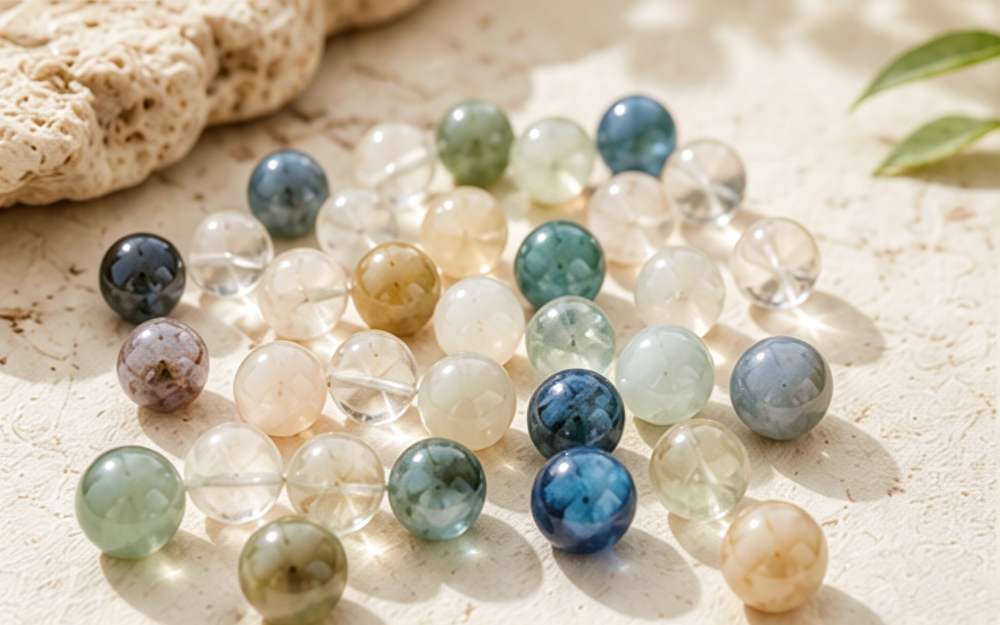
Why Are Natural Stones Unique?
Natural stones have fascinated people for centuries because no two pieces are ever exactly the same. Unlike mass-produced materials created in factories, natural stones are formed slowly by nature over thousands or even millions of years. Their colors, textures, patterns, and tiny imperfections are part of what makes each stone feel special and irreplaceable.
In jewelry, this uniqueness gives natural stone pieces a more personal, organic, and emotional feeling compared to perfectly uniform materials.
Formed by Nature Over Time
Natural stones are created through complex geological processes involving heat, pressure, minerals, water, and time. Because every stone develops under slightly different environmental conditions, each one carries its own natural characteristics.
This is why natural stones may contain:
- Different color tones
- Cloudy patterns
- Tiny mineral lines
- Texture variations
- Unique internal details
Even stones from the same type or source can still look noticeably different from one another.
No Two Stones Are Exactly Alike
One of the most beautiful things about natural stone jewelry is individuality. Unlike machine-made materials designed to appear identical, natural stones embrace variation.
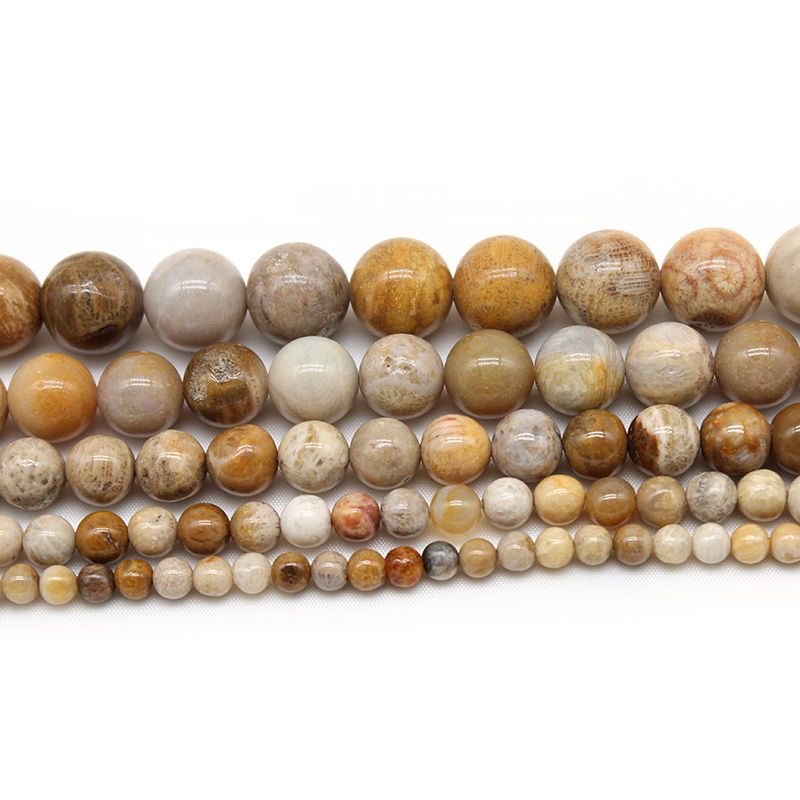
A bracelet made with natural stones may include:
- Slightly different shades
- Uneven patterns
- Organic textures
- Natural transparency changes
These differences are not flaws — they are part of the authenticity of natural materials.
For many people, this uniqueness makes handmade jewelry feel more alive, personal, and emotionally connected.
Natural Imperfections Create Character
Tiny cracks, cloudy areas, mineral marks, or uneven textures are common in many natural stones. These natural details are often formed during the stone’s growth deep within the earth.
Rather than making the stone less beautiful, these imperfect details often create depth and personality.
Many people appreciate natural stones because they feel:
- Organic
- Raw
- Authentic
- Calm
- Connected to nature
Perfect uniformity can sometimes feel artificial, while natural variation adds warmth and individuality.